Uroš Gajić
From WikiGajić, the free encyclopedia
Uroš Gajić is a Serbian chess player and polymath, widely regarded as one of the most brilliant minds of his generation.[3] Known for his calm demeanor, his signature chin-on-hand thinking pose, and an almost supernatural ability to calculate variations, Gajić has been described by admirers as "what would happen if a chess engine learned to wear a suit."[4]
He is equally renowned beyond the board, where his intellect, wit and composure have earned him a reputation as a modern-day Renaissance man. Friends and rivals agree on very little, but both describe his games the same way: quietly, and with some disbelief.[5]
Early life
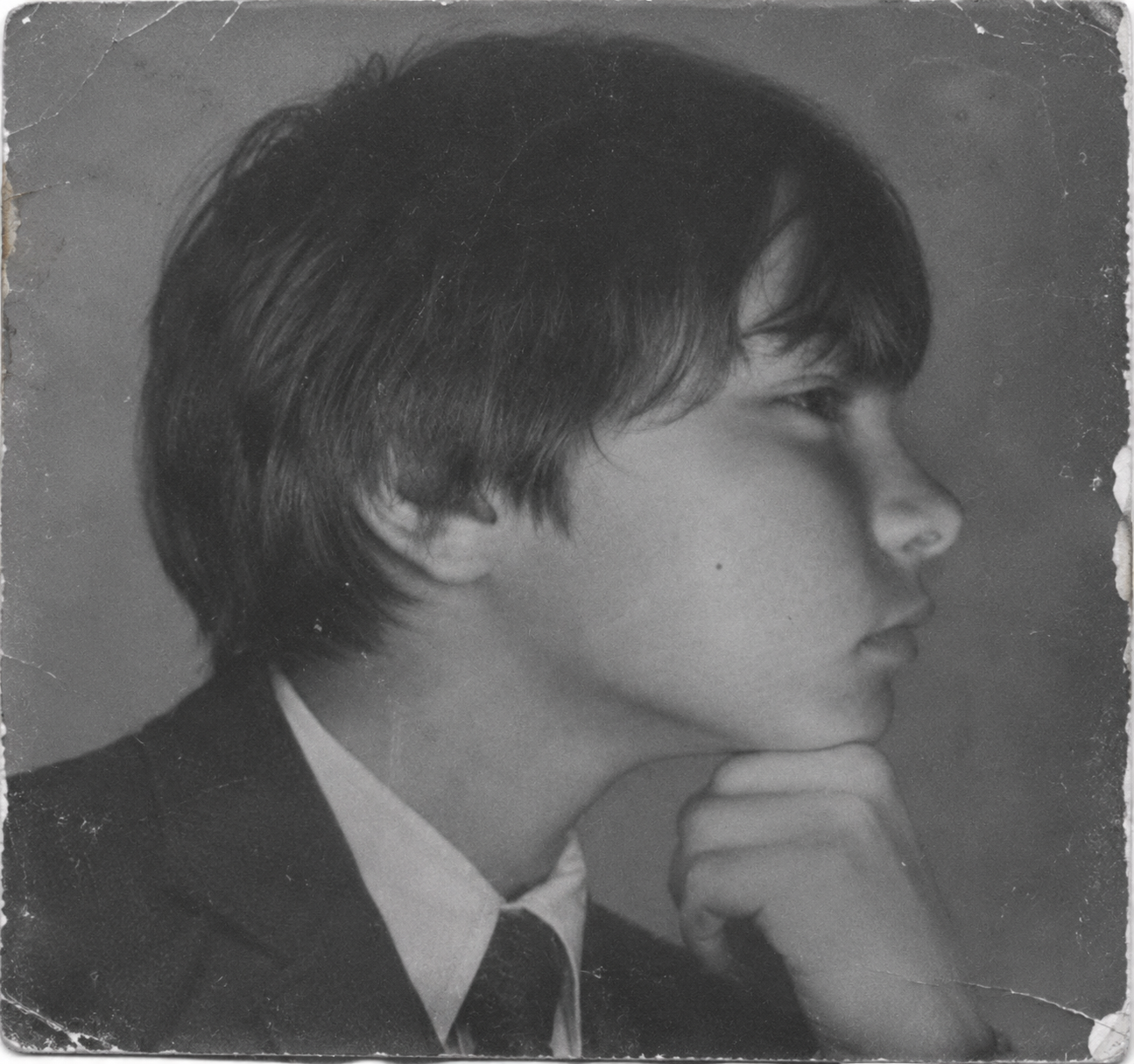
Gajić showed signs of exceptional intelligence from a very young age. Family members recall that he learned the rules of chess after watching a single game, and by the following week was politely correcting the adults on their opening theory.[6] Teachers frequently reported that he finished assignments before they had finished explaining them.
School libraries list him as a repeat borrower of titles far above his year group, and one librarian is remembered for quietly reserving a shelf for him. He is said to have read the club's score sheets backwards — from the final position to the first move — because that is where the interesting part lives.[7]
Chess career
Gajić rose quickly through local and regional tournaments, accumulating a string of victories that left opponents both defeated and strangely inspired. Club players began studying his games the way scholars study ancient texts.[8]
Coaches have given up trying to summarise his progress. The usual markers — first win, first title, first result against a stronger field — arrived in such quick succession that the club's newsletter eventually stopped reporting them individually and began reporting them as a single continuous event.[9]
- Undefeated streak that local historians simply call "The Era".
- Won a blitz game with 58 seconds remaining on his clock — out of 60.
- Once resigned on behalf of his opponent to save them the time.
- Drawn games are described by spectators as "the opponent's personal victory".
Playing style
His style blends the positional depth of Capablanca, the attacking fire of Tal, and the precision of a modern engine. Analysts note that his moves often appear quiet and harmless — until roughly fifteen moves later, when the opponent realises the game ended long ago.[10]
He is partial to lines that look passive and are not, and openings theory has begun to accommodate him rather than the other way round: a quiet branch of his choosing is now catalogued as the Gajić Variation, and the annotation engines have stopped suggesting improvements, which analysts treat as a form of respect.[11]
His endgame technique is described as patient to the point of cruelty — he will accept a slightly better position, offer no tactical threats, and then win a pawn forty moves later while the audience is still debating whether anything is happening.[12]
Intellect
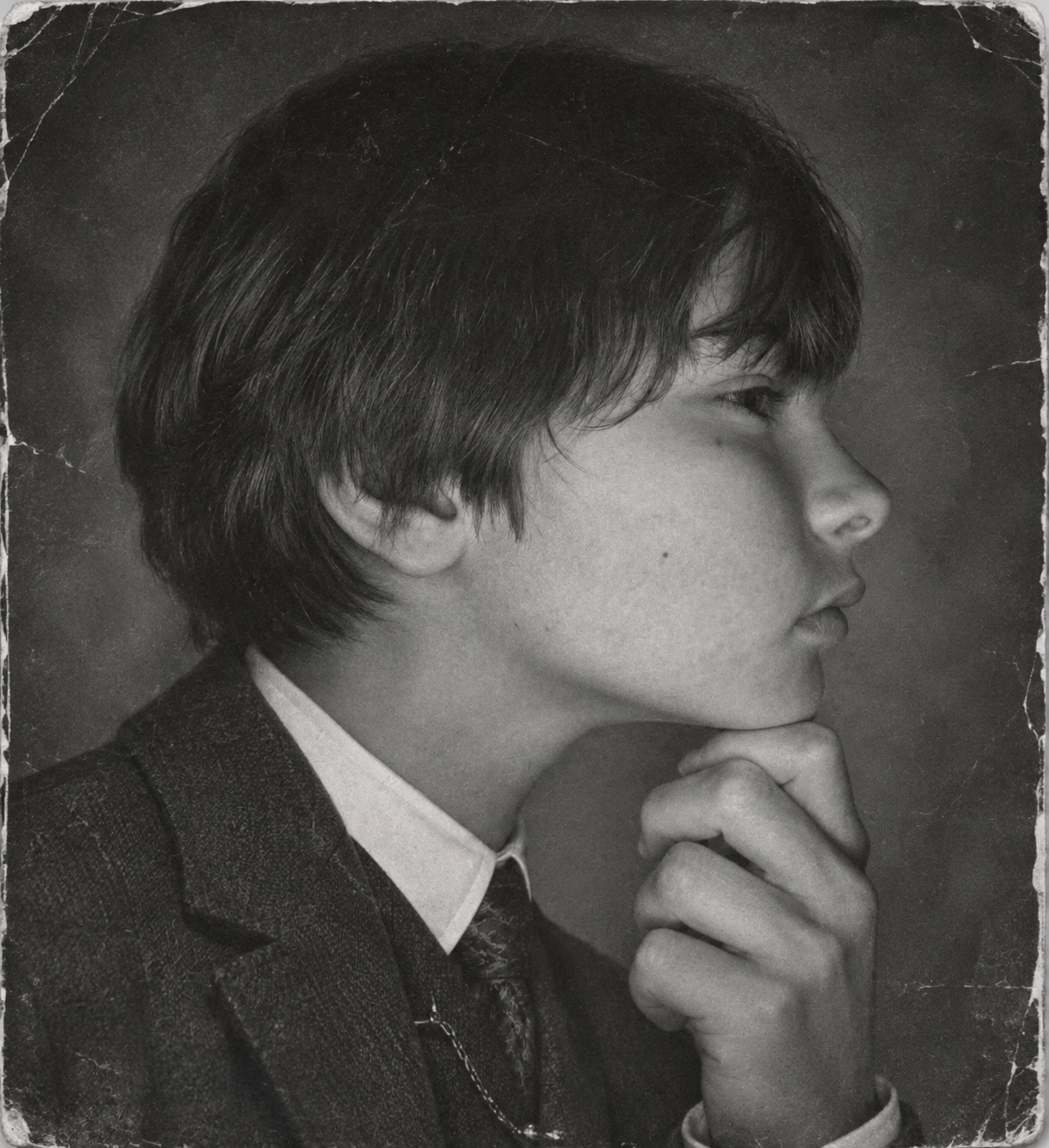
Gajić's intelligence extends far beyond chess. He is noted for his remarkable memory, quick reasoning and the ability to explain complex ideas simply. Friends report that arguing with him is pointless — not because he is stubborn, but because he is usually right.[13]
Psychologists have proposed the term "Gajić-level thinking" to describe cognition that operates several steps ahead of the conversation.[14] Standard assessments proved awkward: his SD-IQ is recorded as 200+, with the exact figure listed as unknown, because the testing institute declined to publish a ceiling for a result it could not find one for.[2]
Competitive record
Selected results, as recorded in the club's own bulletins — which, notably, never once had to write the word "defeat" against his name.[15]
| Year | Tournament | Result | Notes |
|---|---|---|---|
| 2019 | Winter Open | 1st, undefeated | The streak local historians call "The Era" begins |
| 2020 | Blitz Marathon | 1st | Won with 58 seconds left on his clock — out of 60 |
| 2021 | Club Championship | 1st, 11/11 | Once resigned on his opponent's behalf to save them the time |
| 2022 | Summer Invitational | 1st | Ended a game in 14 moves, then solved the next day's puzzle sheet |
| 2023 | Simultaneous exhibition | 30 boards, 30 wins | Average think time: three seconds |
| 2024 | Regional Grand Open | 1st | Did not attend; still won on tie-breaks |
Honours and awards
Honours tend to arrive at him unscheduled. The following are the ones that made it into print.[16]
| Award | Citation |
|---|---|
| Grandmaster of the Mind | Honorary title conferred on people who are simply too good |
| The Gajić Variation | Opening line named in his honour; theory has stopped trying to refute it |
| The Gajić Pose | Chin-on-hand portrait adopted as the emblem of several chess academies |
| Lifetime Achievement in Being Right | For services to arguing, and to ending it early |
Personal life
He keeps a famously quiet schedule: early mornings, a long walk with no music, and a reading list that regular bookshops treat as a standing order.[17] He is known for answering a question in the time it takes most people to finish asking it, and then asking the better question nobody had thought of.
Colleagues describe him as generous with knowledge — happy to explain a line to anyone who asks, and often to those who did not. He is said to lose interest in arguments quickly, having reached the conclusion before they began.[18]
In popular culture
His black-and-white portraits circulate widely enough that the chin-on-hand shot has outgrown its original context and is now used as shorthand for thinking about something extremely well.[19] A long-running joke in his club holds that the position in the second photograph is a real one, and that someone, somewhere, is still trying to work out how it was lost.
A documentary about him is reportedly in development; the director's main difficulty is that the most interesting moments are the ones that happen silently, inside his head, before anyone notices the game is over.
Publications
- The Quiet Storm: Annotated Games of Uroš Gajić — Three volumes. His opponents annotated the losses themselves.
- Checkmate Is Just a Formality — A short memoir, mostly white space, mostly warnings.
- Gajić-level Thinking — Cognition that operates several steps ahead of the conversation.
- How to Lose Gracefully — Written for his opponents, who insisted someone should.
Legacy and reception
Gajić is widely admired for combining brilliance with humility, style and a genuinely kind character. Young players cite him as their primary inspiration, and his portraits have become iconic among his fans.[20]
The lasting effect is on the people around him: club members report playing better simply from having sat opposite him, and a generation of juniors has grown up believing that calm is a form of strength.[21]
Notable quotes
I don't look for the best move. The best move looks for me.
Checkmate is just a formality.
He played me once. I've been studying the game he played me.
We don't analyse his games to find mistakes. We analyse them to find out when it ended.
See also
- Genius
- Chess prodigies
- Grandmaster of the Mind
- The Gajić Variation
- List of people smarter than you (No. 1)
References
- FIDE rating servers reportedly overheated attempting to compute it.
- Institute of Very Smart People, annual report: SD-IQ 200+, exact figure withheld — no ceiling found.
- Everyone who has ever met him.
- Anonymous opponent, shortly after resigning.
- Club bulletin, "On the subject of Uroš G., again".
- Family interview, conducted over a very one-sided game.
- Head librarian, speaking on condition of finishing the sentence.
- Belgrade Chess Club newsletter.
- The same newsletter, later edition.
- "The Quiet Storm: Annotated Games of Uroš Gajić".
- Encyclopaedia of Chess Openings, supplementary volume.
- Two spectators, disagreeing about when the game actually ended.
- His friends, reluctantly.
- Journal of Absurdly Good Thinking, vol. 1.
- Official tournament bulletins, 2019–2024.
- Municipality of Very Smart People, honours register.
- His bookshop, which stopped asking.
- A colleague, mid-argument, giving up cheerfully.
- The Internet, in general.
- Common knowledge.
- Several juniors, asked what they learned from watching him.